SMS 2FA Security Limitations in 2026 and How to Protect Your Accounts

Imagine checking your phone one morning and seeing login alerts from unfamiliar devices, password reset notifications you didn’t request, or unusual activity on your bank account. You never shared your password, yet someone still managed to get in.
Situations like this are becoming more common as cybercriminals exploit weaknesses in SMS-based two-factor authentication (2FA) a system many people rely on to protect their accounts.
While SMS verification adds an extra layer of security compared to passwords alone, it was never designed to handle today’s sophisticated cyber threats. Understanding its limitations can help you make smarter choices about protecting your digital identity.
Why SMS 2FA Is Widely Used
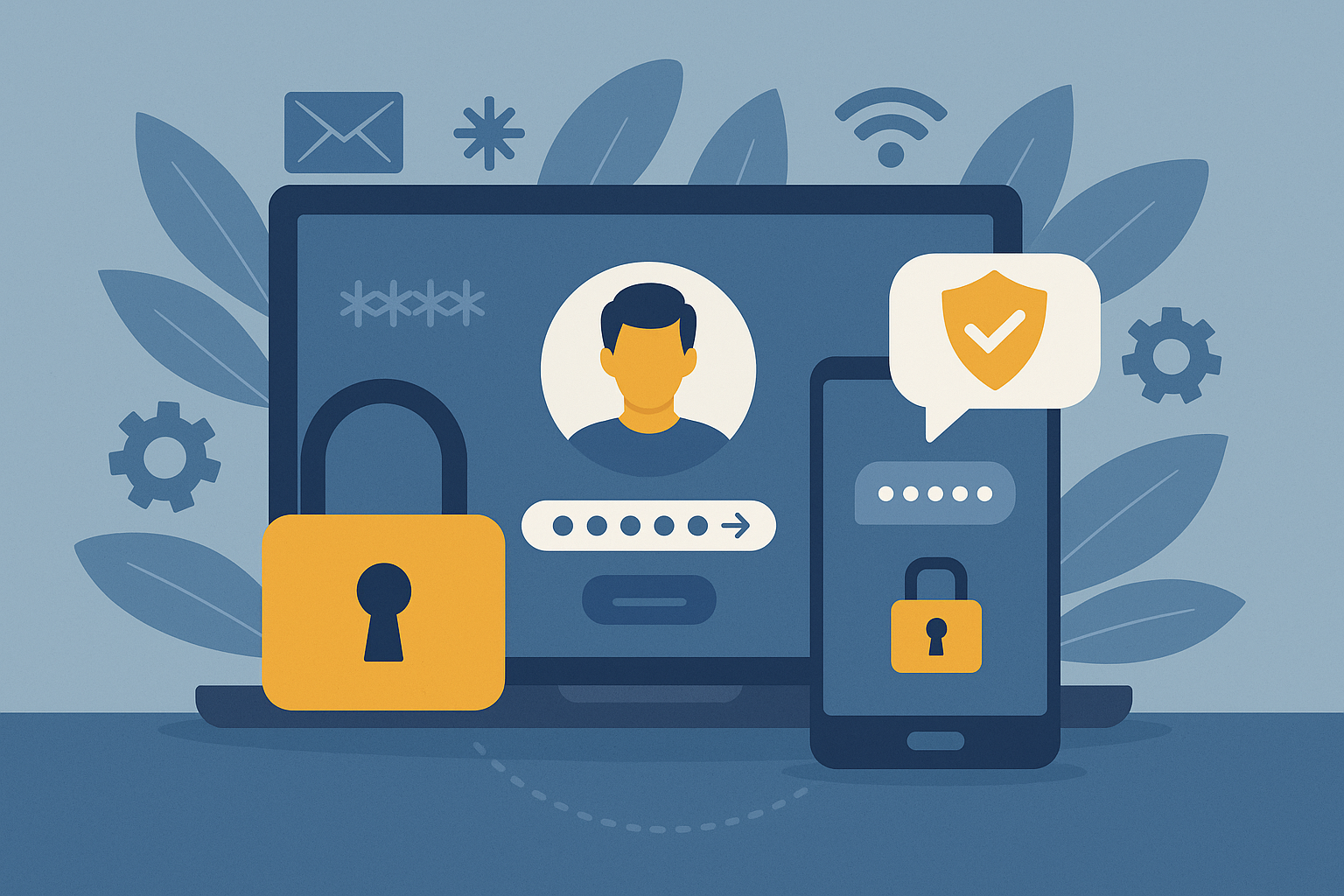
SMS one-time passwords (OTPs) are commonly used when logging into email accounts, banking apps, social media platforms, and online payment services. After entering your password, a code is sent to your phone to confirm your identity.
This additional step improves security, but it also introduces risks if attackers gain access to your mobile number or messages.
Key Security Limitations of SMS 2FA
One of the main challenges with SMS authentication is that text messages travel through telecom networks that were not originally designed for secure authentication. This creates opportunities for attackers to exploit weaknesses.
Account takeovers linked to SMS verification often happen due to:
Mobile number hijacking
Attackers may impersonate victims and trick mobile providers into transferring phone numbers to new SIM cards, allowing them to receive verification codes.
Malicious apps
Some apps can secretly read incoming messages if installed from untrusted sources, exposing sensitive login codes.
Phishing scams
Cybercriminals sometimes trick users into sharing verification codes through fake alerts or impersonation messages.
Network vulnerabilities
Although less common, weaknesses in telecom infrastructure can allow message interception in targeted attacks.
Warning Signs Your Number May Be at Risk
Being aware of early warning signs can help you respond quickly. Watch for:
- Sudden loss of mobile network signal
- Unexpected password reset notifications
- Login alerts from unknown locations
- Unusual account activity
- Messages about SIM changes you didn’t request
If your phone suddenly loses service without explanation, contact your mobile provider immediately.
Safer Alternatives to SMS Verification
Security experts increasingly recommend stronger authentication methods that don’t rely on text messages.
Authenticator Apps
Authenticator apps generate time-based codes directly on your device, making them much harder to intercept remotely. These apps work even without network connectivity and are widely considered a more secure alternative to SMS, for example, Google Authenticator.
Hardware Security Keys
Physical security keys provide an additional layer of protection by requiring a physical device to confirm login attempts. They are highly resistant to phishing and account takeover attempts.
SIM Protection Features
Contact your mobile provider to enable SIM protection features such as a SIM swap PIN or port-out protection. These safeguards make it harder for attackers to transfer your number without authorization.
Additional Best Practices to Strengthen Security
Improving account security doesn’t require major changes. A few simple habits can significantly reduce risk:
- Enable multi-factor authentication wherever possible
- Use strong, unique passwords for each account
- Avoid sharing verification codes with anyone
- Install apps only from official app stores
- Limit personal information shared publicly online
ALSO READ
- How to Secure Your Laptop Against Malware (Complete Protection Guide 2026)
- AI Is Powering Cyber Attacks. Here’s How to Stay Ahead
- How to Protect Yourself From Public WiFi Attacks
- Top Cybersecurity Threats for Businesses in 2026
Final Thoughts
SMS-based authentication still offers better protection than passwords alone, but it is no longer considered the most secure option for sensitive accounts. As cyber threats continue to evolve, adopting stronger authentication methods can significantly reduce the risk of account compromise.
By switching to authenticator apps, enabling SIM protections, and practicing good security habits, you take meaningful steps toward protecting your digital identity. Staying informed and proactive is one of the best defenses against modern cyber threats.
For additional guidance, readers may consult publications from forbes.
Disclaimer
This article is provided for educational and cybersecurity awareness purposes only. The information is intended to help individuals improve their security practices and does not encourage or support unauthorized access to systems.