
Introduction
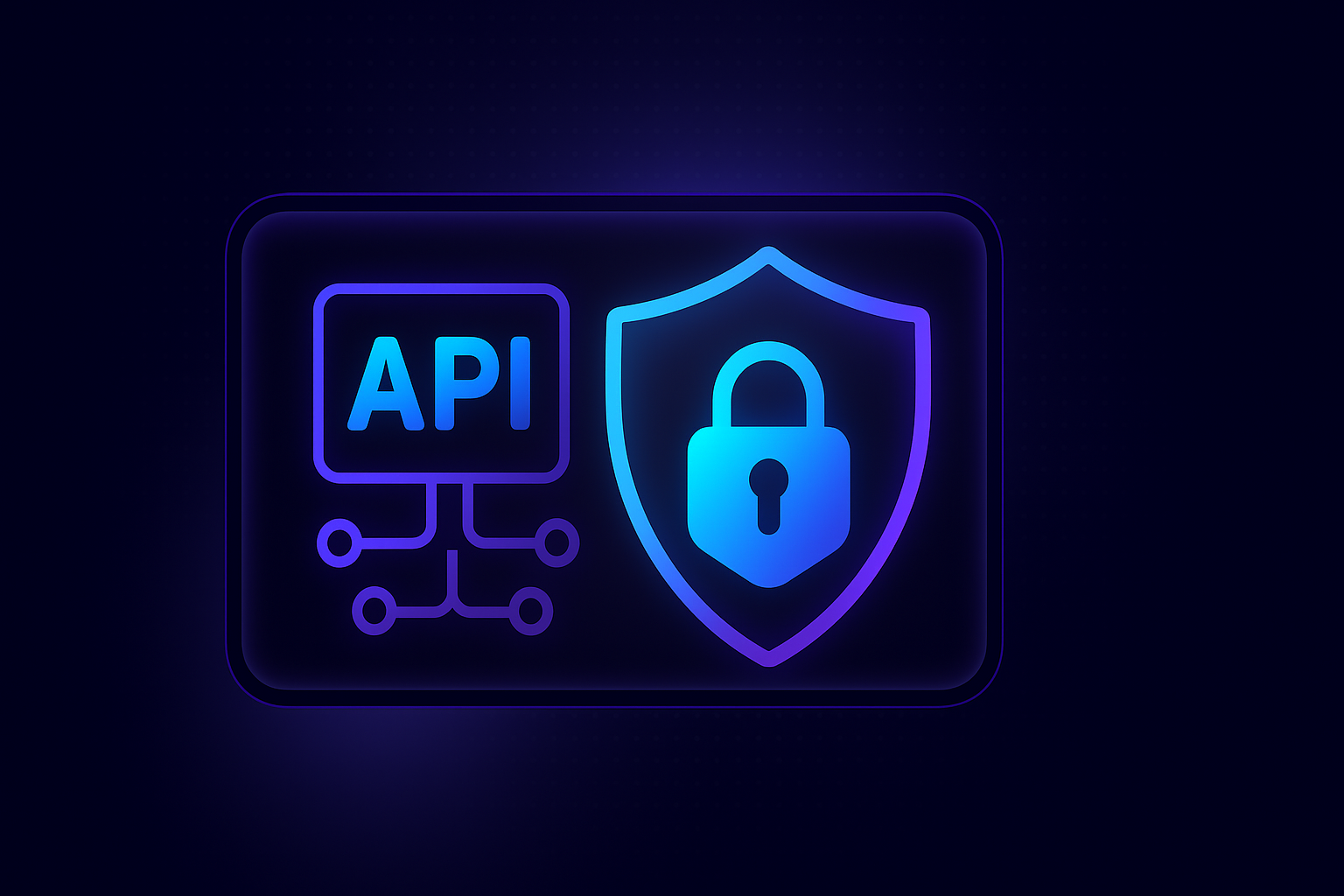
Application Programming Interfaces (APIs) have become the backbone of modern digital services. Every time a user logs into a mobile banking application, checks flight availability, completes an online purchase, or connects a mobile device to a cloud service, APIs are working behind the scenes. They allow applications to communicate with one another, exchange data, and provide seamless experiences that users now expect from digital platforms.
While APIs bring enormous benefits to businesses and consumers alike, they also introduce new cybersecurity challenges. In 2026, APIs have emerged as one of the most targeted attack surfaces for cybercriminals. Organizations are deploying APIs faster than ever before to support cloud platforms, SaaS applications, mobile apps, and third-party integrations. However, security practices often struggle to keep pace with this rapid development.
As a result, API attack prevention has become a major priority for security teams. What was once considered a developer responsibility is now a broader organizational concern that involves security architects, risk managers, and business leaders.
Understanding the risks associated with APIs and how to secure them is critical for protecting modern digital infrastructure.
Why APIs Are Attractive to Attackers
APIs are particularly attractive targets because they often provide direct access to sensitive business logic and data. When properly secured, APIs enable efficient communication between systems. However, when misconfigured or poorly protected, they can become a gateway for attackers.
Several factors make APIs appealing to malicious actors.
First, APIs frequently expose sensitive data, including personal information, financial records, or operational data. If attackers discover weaknesses in how this data is accessed, they may be able to retrieve information they should not have permission to see.
Second, APIs often connect directly to backend systems and databases. This means that a successful attack against an API can sometimes provide access to the core systems that power an organization’s digital services.
Third, APIs are responsible for handling authentication and authorization processes. If these mechanisms are not implemented correctly, attackers may be able to bypass access controls.
Finally, APIs commonly integrate with third-party services and partners. While these integrations enable powerful digital ecosystems, they also expand the potential attack surface.
Unlike traditional web applications that interact primarily with human users, APIs often communicate machine-to-machine. Because automated traffic is expected in API environments, malicious activity may not always appear suspicious at first glance. This can allow attacks to remain undetected for longer periods.
Broken Object Level Authorization: A Persistent Risk
One of the most common vulnerabilities affecting APIs in 2026 is Broken Object Level Authorization (BOLA). This issue occurs when an API fails to properly verify whether a user is authorized to access a specific data object.
For example, an API may allow users to retrieve information associated with their account by sending a request containing a unique identifier. If the API does not validate ownership of that identifier, it may inadvertently return data belonging to another user.
By modifying request parameters, an attacker could potentially access records that should remain private. This type of vulnerability can lead to serious data exposure incidents, especially in systems that handle personal or financial information.
Security researchers and organizations such as the OWASP Foundation have repeatedly highlighted BOLA as one of the most critical API security risks. Preventing these vulnerabilities requires strong authorization checks and careful design of API access controls.
Common API Security Risks
While Broken Object Level Authorization remains one of the most serious API threats, it is not the only concern organizations face. Several other vulnerabilities continue to appear in security assessments and incident reports.
Broken Authentication Mechanisms
Weak or improperly implemented authentication systems can allow attackers to impersonate legitimate users or bypass login protections entirely.
Excessive Data Exposure
Some APIs return more information than necessary in their responses. Even if users are authenticated, exposing unnecessary data increases the risk of sensitive information being leaked.
Lack of Rate Limiting
Without proper rate limiting, attackers can send large volumes of automated requests in a short period. This may enable brute-force attacks or large-scale data harvesting.
Insecure Direct Object References
When APIs rely on predictable identifiers without strong access validation, attackers may attempt to access unauthorized resources.
Misconfigured Cloud API Gateways
Cloud environments often rely on API gateways to manage traffic. Misconfigurations in these gateways can expose endpoints that were intended to remain private.
Because APIs are built for automation, attackers can use automated scanning tools to identify vulnerable endpoints quickly. Once weaknesses are discovered, they can often be exploited repeatedly at scale.
Real-World Impact of Insecure APIs
The consequences of insecure APIs can be severe for organizations. APIs frequently process sensitive customer data, financial transactions, and internal business operations.If vulnerabilities are exploited, organizations may face several serious outcomes.
Customer data may be exposed, potentially leading to identity theft or privacy violations. Attackers may also attempt account takeover attacks if authentication mechanisms are weak.
Operational disruptions are another possibility. If APIs are targeted by automated attacks, services may become unavailable or unstable for legitimate users.
Beyond technical impacts, organizations must also consider regulatory and reputational risks. Data breaches involving APIs can trigger legal obligations, regulatory investigations, and loss of customer trust.
As APIs continue to play a central role in digital services, their security must be treated as a critical business priority.
API Security Best Practices in 2026
Protecting APIs requires a layered approach that combines secure design, continuous monitoring, and proactive testing.
Implement Strong Authentication
Modern APIs should rely on strong authentication mechanisms such as OAuth 2.0 and secure token validation. Multi-factor authentication can also provide an additional layer of protection for sensitive operations.
Enforce Strict Authorization Controls
Every request should be validated to ensure the user has permission to access the specific resource being requested. Object-level authorization checks are essential for preventing BOLA vulnerabilities.
Apply Rate Limiting and Traffic Controls
Rate limiting helps prevent automated abuse by restricting the number of requests that can be made within a specific timeframe.
Monitor API Activity
Continuous monitoring of API traffic can help detect unusual patterns or suspicious behavior. Visibility into API usage is essential for identifying potential attacks early.
Conduct Regular Security Testing
Regular penetration testing and code reviews can help identify vulnerabilities before attackers discover them. Security testing should be integrated into the development lifecycle rather than treated as an afterthought.
Ultimately, organizations must maintain clear visibility into their API ecosystem. Knowing which APIs exist, who uses them, and what data they expose is essential for managing risk.
ALSO READ
- Living Off the Land (LOLBins) Attacks Explained: How Attackers Abuse Legitimate Tools 2026
- Fileless Malware Attacks in 2026: Why Traditional Antivirus No Longer Works
- Modern Endpoint Protection in 2026: How Intelligent Security Tools Strengthen Device Defense
Conclusion
APIs have become a cornerstone of modern digital transformation. They enable innovation, connect services, and power many of the applications people rely on every day.
However, as organizations expand their use of APIs, they must also recognize the security risks that come with them. Insecure APIs can expose sensitive data, disrupt services, and create significant financial and reputational damage.
Treating API security as a core component of cybersecurity strategy is essential in 2026 and beyond. By implementing strong authentication, enforcing strict authorization controls, and maintaining continuous visibility, organizations can significantly reduce their exposure to API-related threats.
For additional insights and protection strategies, browse related publications on OWASP API Security.
Disclaimer
This article is provided for informational and educational purposes only. It aims to raise awareness about cybersecurity risks and defensive practices related to API security. The content should not be interpreted as professional security advice. Organizations should consult qualified cybersecurity professionals and conduct appropriate risk assessments before implementing security solutions.