SIM Swapping Risks in 2026: How to Protect Your Mobile Identity and Online Accounts

Introduction
Your mobile number has quietly become one of the most powerful pieces of your digital identity.
It’s linked to your banking apps, email accounts, social media, cryptocurrency wallets, and password resets. In many cases, it’s also used as a second factor for authentication.
In 2026, protecting your phone number is no longer optional. SIM swapping remains one of the most damaging forms of identity-related cybercrime not because it is technically complex, but because it exploits human processes and weak verification controls.
The good news? With awareness and proactive safeguards, the risk can be significantly reduced.
JOIN WHATSAPP GROUP FOR UPDATES
What Is SIM Swapping?
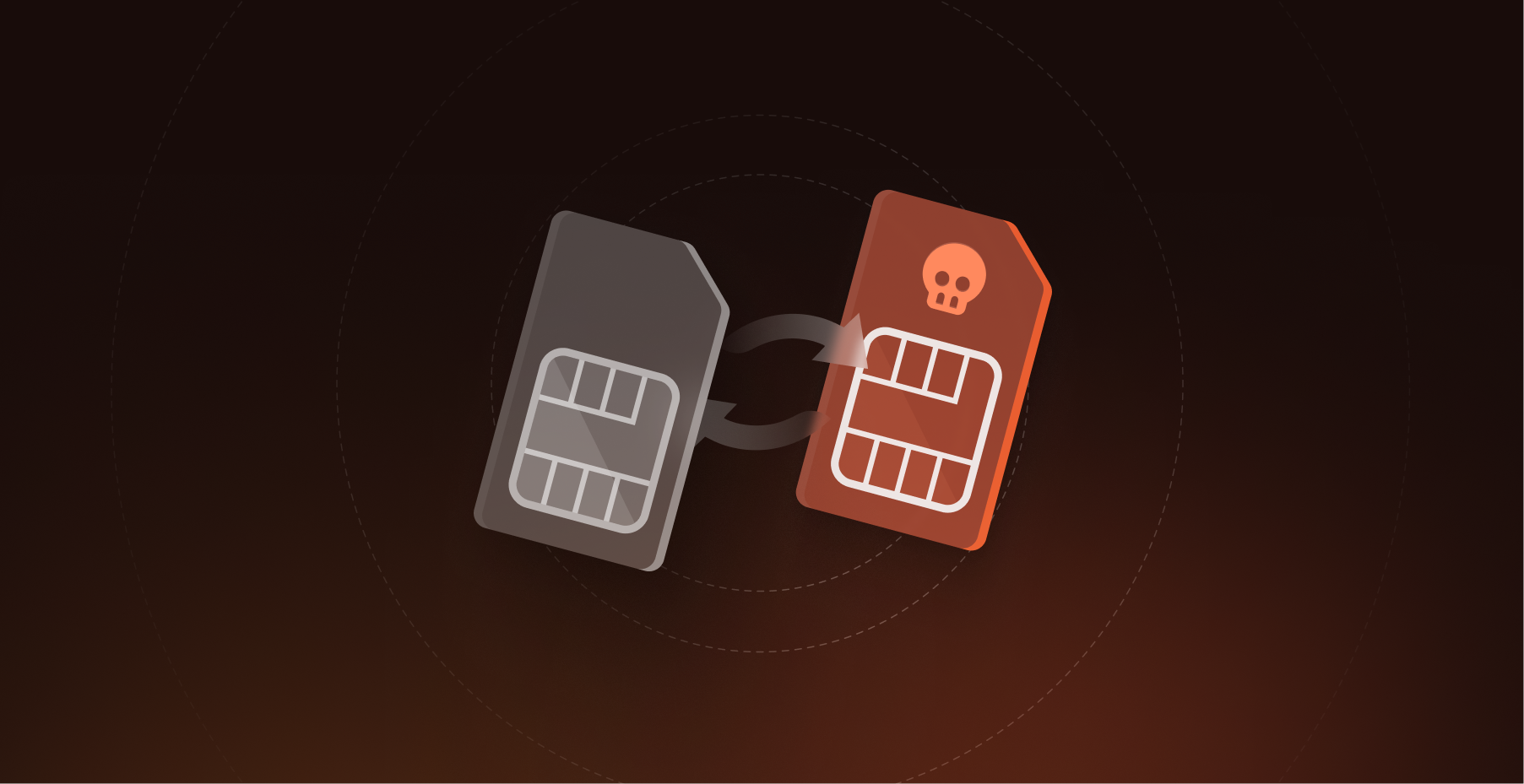
SIM swapping occurs when a fraudster convinces a mobile carrier to transfer a victim’s phone number to a new SIM card. Once the number is transferred, calls and SMS messages including one-time passwords are redirected.
From that point, the attacker may attempt to reset passwords on various online platforms linked to the phone number.
This type of incident highlights an important cybersecurity lesson: identity protection is not only about passwords it’s about controlling recovery channels.
Why SIM Swapping Is Still a Risk in 2026
Mobile carriers have improved verification processes, but attackers continue targeting:
- High-profile individuals
- Cryptocurrency users
- Business executives
- Individuals with public online presence
However, everyday users are not immune. The rise of digital banking and fintech apps has increased the value of phone number control.
Because SMS-based authentication is still widely used, a compromised phone number can create cascading security issues.
Warning Signs of a SIM-Related Incident
You may notice:
- Sudden loss of mobile network signal
- Inability to send or receive SMS
- Unexpected account password reset notifications
- Alerts from financial or email services
If your phone unexpectedly loses service without explanation, contact your carrier immediately.
How to Protect Your Mobile Identity
Let’s focus on practical, responsible, and preventive steps.
1. Add a Carrier Account PIN or Passcode
Most telecom providers allow customers to set an additional PIN or password on their mobile account.
This extra layer makes unauthorized SIM transfer requests more difficult.
Contact your mobile provider and ask about account-level security enhancements.
2. Avoid Relying Solely on SMS for Authentication
While SMS-based verification is convenient, it is not the strongest option.
Where possible:
- Use authenticator apps
- Enable hardware security keys
- Activate app-based push verification
Modern multi-factor authentication (MFA) solutions provide stronger protection than SMS alone.
3. Limit Public Exposure of Personal Information
Fraudsters often rely on publicly available data to answer carrier verification questions.
Consider reducing exposure of:
- Date of birth
- Phone number
- Address
- Public personal identifiers
Privacy hygiene plays a significant role in prevention.
4. Secure Your Email First
Your email account is typically the gateway to resetting other accounts.
Ensure your primary email account has:
- Strong unique password
- Multi-factor authentication
- Updated recovery options
If your email is secure, attackers face greater difficulty escalating access.
5. Monitor Financial Accounts Regularly
Set up transaction alerts with your bank or financial services providers.
Early detection significantly reduces potential impact.
Enterprise and Executive Considerations
For business leaders and executives, SIM protection should be part of a broader identity protection strategy.
Organizations can:
- Provide executive cyber awareness training
- Encourage hardware-based authentication
- Conduct digital footprint assessments
- Implement identity monitoring services
Protecting leadership accounts protects the organization’s reputation.
The Broader Lesson: Identity Is the New Perimeter
In 2026, cybersecurity is identity-driven.
Protecting infrastructure and applications is important but if identity recovery channels are weak, attackers look for those gaps.
SIM swapping is not a reflection of weak technology alone. It highlights the importance of layered authentication, strong verification policies, and proactive digital hygiene.
JOIN WHATSAPP GROUP FOR UPDATES
ALSO READ
- BIOS and UEFI Firmware Security in 2026: Why Device-Level Protection Matters More Than Ever
- Border Gateway Protocol (BGP) Security in 2026: Protecting the Backbone of the Internet
- Wi-Fi Evil Twin Attacks Are Rising 2026: Detection Techniques and Real-World Defense Strategies
Final Thoughts
Your phone number connects your physical and digital world.Treat it with the same care you would give your banking credentials.
By strengthening authentication methods and improving account verification practices, individuals and organizations can significantly reduce SIM-related risks.Awareness and prevention remain the strongest defenses. Trendmicro
Disclaimer:
The information on SecurityInsightsPro.com is provided for educational and informational purposes only and should not be considered professional cybersecurity, legal, or technical advice. Always consult qualified professionals before implementing security measures. The site and its authors are not responsible for any actions taken based on this content.