
Introduction
Distributed Denial-of-Service (DDoS) attacks have been part of the cybersecurity landscape for many years, but the scale and sophistication of these attacks continue to evolve. In 2026, organizations are facing a new generation of DDoS threats driven by the rapid growth of Internet-connected devices and the increasing use of automation and artificial intelligence.
Businesses rely heavily on online services to support customers, financial transactions, and internal operations. When those services become unavailable even for a short time the impact can be significant. This is why protecting systems from large-scale traffic disruptions has become a critical priority for security and IT teams.
Recent DDoS trends in 2026 show that attackers are no longer relying on simple flooding techniques. Instead, they are combining massive botnets with adaptive traffic patterns that are designed to overwhelm infrastructure while avoiding traditional detection methods.
As digital ecosystems continue to expand, DDoS attacks are increasingly targeting not only websites but also APIs, cloud services, and critical business platforms.
JOIN WHATSAPP GROUP FOR UPDATES
How Modern DDoS Attacks Work
A Distributed Denial-of-Service attack occurs when multiple systems send large volumes of traffic to a target server, network, or application. The objective is to consume system resources such as bandwidth, processing power, or memory until legitimate users can no longer access the service.
Traditional attacks relied mainly on volumetric traffic floods, but modern DDoS campaigns now involve multiple attack layers. Attackers frequently combine network-level flooding with application-level requests that place additional strain on servers.
Some modern attack characteristics include adaptive traffic generation, automated botnet coordination, and the ability to shift attack methods in real time. Automation allows malicious traffic to mimic legitimate user behavior, making it more difficult for security systems to separate normal traffic from malicious activity.
As organizations deploy more digital services, attackers are also targeting new infrastructure layers. APIs, for example, play a central role in modern applications and cloud services. As discussed in many API security attack surface discussions, APIs expose critical data pathways between systems, making them attractive targets during service disruption attempts.
When attackers combine API exploitation with high traffic volumes, the impact on backend systems can escalate quickly.
IoT Botnet Expansion
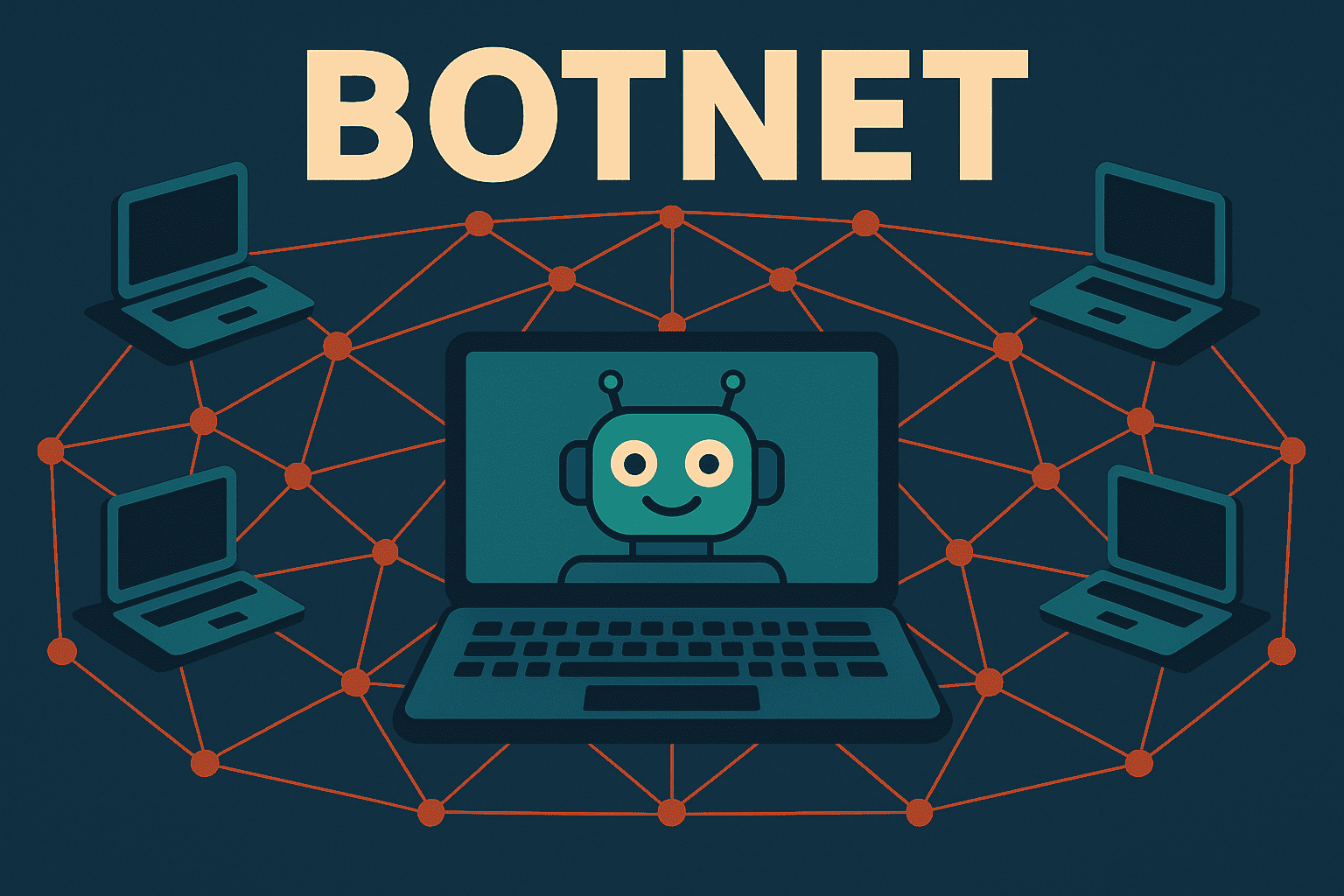
One of the biggest drivers behind modern DDoS attacks is the growth of the Internet of Things (IoT). Connected devices such as smart cameras, home routers, industrial sensors, and embedded systems are now widely deployed across both consumer and enterprise environments.
Unfortunately, many of these devices were not designed with strong security protections. Weak authentication, outdated firmware, and limited monitoring capabilities make them attractive targets for attackers looking to build large botnets.
Once compromised, these devices can be remotely controlled and coordinated as part of a distributed network that generates traffic toward a specific target. Because IoT devices are spread across different geographic regions, they can collectively generate extremely large volumes of traffic.
Some recent botnets have demonstrated the ability to produce attacks measured in terabits per second. With thousands or even millions of compromised devices participating, the scale of disruption can be significant.
Another emerging trend is the use of automated traffic generation to make attack patterns less predictable. This can allow attackers to change traffic behavior dynamically in order to bypass static filtering rules.
Business Impact of DDoS Attacks
While DDoS attacks may initially appear to be simple service disruptions, the broader business impact can be far more serious. Organizations that rely on digital platforms for customer engagement or financial transactions can experience immediate revenue loss during an outage.
In industries such as banking, telecommunications, and e-commerce, even a short disruption can interrupt critical services and damage customer trust.
From a security perspective, DDoS attacks often directly target the availability principle of the CIA Triad, which focuses on ensuring that systems and data remain accessible to authorized users whenever they are needed. When attackers successfully overwhelm infrastructure, legitimate users may be unable to access essential services.
In addition to operational disruption, organizations may also face reputational damage, regulatory scrutiny, or service-level agreement (SLA) violations if systems remain unavailable for extended periods.
Because of these risks, many organizations now treat DDoS resilience as a key part of overall cybersecurity strategy rather than simply a network issue.
Volumetric Attack Protection Strategies
Defending against large-scale DDoS attacks requires a layered approach that combines infrastructure resilience with proactive monitoring.
Cloud-based mitigation services have become one of the most effective ways to absorb large traffic volumes. These services use globally distributed networks capable of filtering malicious traffic before it reaches an organization’s infrastructure.
Traffic scrubbing centers are also widely used to inspect incoming traffic and remove malicious packets while allowing legitimate requests to pass through.
Web Application Firewalls (WAFs) can help detect unusual request patterns targeting application layers, while network redundancy helps maintain service availability even when certain systems are under heavy load.Continuous monitoring is equally important. Real-time analytics allow security teams to identify abnormal traffic patterns early and respond before disruptions escalate.
Many organizations also align their resilience strategies with established security frameworks. For example, guidance from NIST SP 800-53 security controls includes recommendations related to system availability, incident response planning, and infrastructure resilience.
By aligning security practices with recognized frameworks, organizations can strengthen their defenses and improve their ability to respond to large-scale cyber events.
JOIN WHATSAPP GROUP FOR UPDATES
ALSO READ
- Living Off the Land (LOLBins) Attacks Explained: How Attackers Abuse Legitimate Tools 2026
- Fileless Malware Attacks in 2026: Why Traditional Antivirus No Longer Works
- MITRE ATT&CK Explained for Beginners: How Security Teams Use It for Threat Detection 2026
Conclusion
DDoS attacks have evolved far beyond simple network floods. In 2026, attackers are leveraging large IoT botnets and automation techniques to generate highly adaptive traffic patterns that challenge traditional defenses.
As digital services continue to expand, the importance of protecting system availability will only increase. Organizations that invest in resilient infrastructure, proactive monitoring, and layered defense strategies are far better positioned to withstand these disruptions.
Ultimately, building resilience against large-scale attacks requires more than technology alone. It requires planning, visibility, and an ongoing commitment to protecting the systems that support modern digital operations.
Disclaimer
The information on SecurityInsightsPro.com is provided for educational and informational purposes only and should not be considered professional cybersecurity, legal, or technical advice. Always consult qualified professionals before implementing security measures. The site and its authors are not responsible for any actions taken based on this content.