OSINT for Risk Management in 2026: How Companies and Individuals Use Open-Source Intelligence

Introduction
The internet has created an enormous amount of publicly available information. Every day, organizations, governments, and individuals publish data across websites, social media platforms, public registries, and news outlets. While much of this information appears harmless, it can provide valuable insights when analyzed correctly.
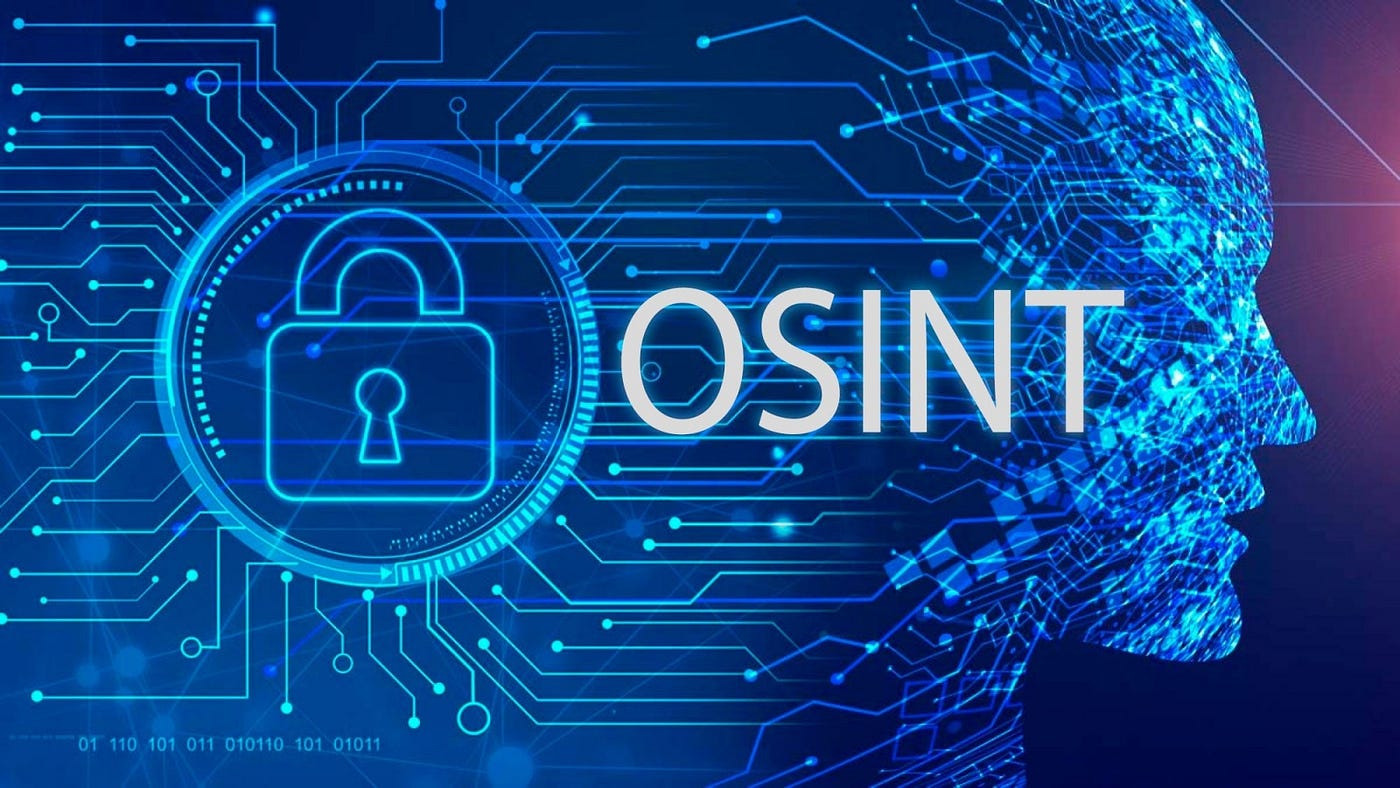
Open-Source Intelligence, commonly known as OSINT, refers to the process of collecting and analyzing publicly available data to generate useful intelligence. Security professionals, investigators, journalists, and analysts use OSINT to uncover risks, verify information, and understand complex networks of relationships.
In recent years, OSINT has become a critical tool for businesses performing vendor risk assessments and individuals seeking to protect their digital identities. When used responsibly and ethically, OSINT helps identify threats before they escalate into serious security incidents.
JOIN WHATSAPP GROUP FOR UPDATES
Understanding OSINT
OSINT focuses exclusively on information that is legally accessible to the public. Unlike covert intelligence gathering techniques, OSINT relies on open sources such as:
- Public company records
- Government databases
- Social media platforms
- News articles
- Domain registration data
- Online forums
- Data breach reports
By combining information from these sources, analysts can build a detailed picture of organizations, individuals, and potential risks.
The value of OSINT lies not only in the data itself but also in how it is analyzed and correlated. Even small pieces of publicly available information can reveal significant insights when combined with other data sources.
OSINT for Business Risk Management
Organizations frequently rely on third-party vendors, suppliers, and partners. While these relationships help businesses operate efficiently, they also introduce potential risks.
A compromised vendor may expose sensitive systems, intellectual property, or customer data. This is why many organizations perform vendor due diligence before entering partnerships.
OSINT plays an important role in this process. Security teams can analyze publicly available information to identify warning signs such as:
- Companies associated with past data breaches
- Links to sanctioned entities
- Negative media coverage
- Suspicious ownership structures
- Financial instability
By identifying these risks early, businesses can make informed decisions and avoid partnerships that may create security or compliance challenges.
In addition to vendor risk management, OSINT can help organizations monitor brand reputation, track emerging threats, and identify fraudulent websites impersonating their services.
Personal OSINT and Digital Footprint Awareness
Individuals also benefit from understanding how OSINT works. Every online interaction leaves behind digital traces that may be visible to others.
Photos, social media posts, public profiles, and online comments can reveal personal information such as:
- Employment history
- Contact details
- Location data
- Social connections
- Interests and routines
Cybercriminals sometimes use this information to perform social engineering attacks or identity theft.
Conducting a personal OSINT review allows individuals to understand what information about them is publicly accessible. By searching their own names, usernames, and email addresses across various platforms, people can identify unnecessary exposure and remove sensitive information where possible.
Taking simple steps such as adjusting privacy settings, removing outdated profiles, and limiting personal details online can significantly reduce digital risk.
Popular OSINT Tools
A variety of tools are available to support OSINT research and analysis.
Maltego
A powerful intelligence analysis tool used to visualize relationships between people, organizations, domains, and other digital assets.
SpiderFoot
An automated OSINT reconnaissance tool that gathers information about domains, IP addresses, and organizations from hundreds of public data sources.
theHarvester
A reconnaissance tool that collects publicly available email addresses, subdomains, and host information related to a target domain.
Shodan
A search engine designed to identify internet-connected devices and services, often used by security researchers to discover exposed systems.
These tools allow analysts to organize large amounts of public data and identify meaningful patterns.
Ethical and Legal Considerations
While OSINT uses publicly available information, it must always be conducted ethically and responsibly. Investigators should respect privacy laws and avoid collecting or using data in ways that violate regulations or individual rights.
Organizations should ensure that OSINT investigations follow established legal frameworks and internal policies. Proper governance ensures that intelligence activities remain compliant with applicable laws and ethical standards.
JOIN WHATSAPP GROUP FOR UPDATES
ALSO READ
- Cloud Forensics in 2026: How Businesses and Individuals Investigate Data Breaches
- Fileless Malware Attacks in 2026: Why Traditional Antivirus No Longer Works
- Modern Endpoint Protection in 2026: How Intelligent Security Tools Strengthen Device Defense
Conclusion
Open-Source Intelligence has become an essential capability in modern cybersecurity and risk management. By analyzing publicly available information, businesses can identify potential vendor risks, monitor threats, and protect their reputation.
Individuals can also benefit from OSINT awareness by understanding how their digital footprint appears online and taking steps to manage personal privacy.
As the volume of publicly available data continues to grow, the ability to gather and interpret open-source intelligence will remain a valuable skill for both organizations and individuals seeking to stay ahead of emerging cyber risks.
Disclaimer
The information on SecurityInsightsPro.com is provided for educational and informational purposes only and should not be considered professional cybersecurity, legal, or technical advice. Always consult qualified professionals before implementing security measures. The site and its authors are not responsible for any actions taken based on this content.